REWARD Odisha (Rejuvenating Watersheds for
Agricultural Resilience through Development) is a flagship initiative of the
Government of Odisha.
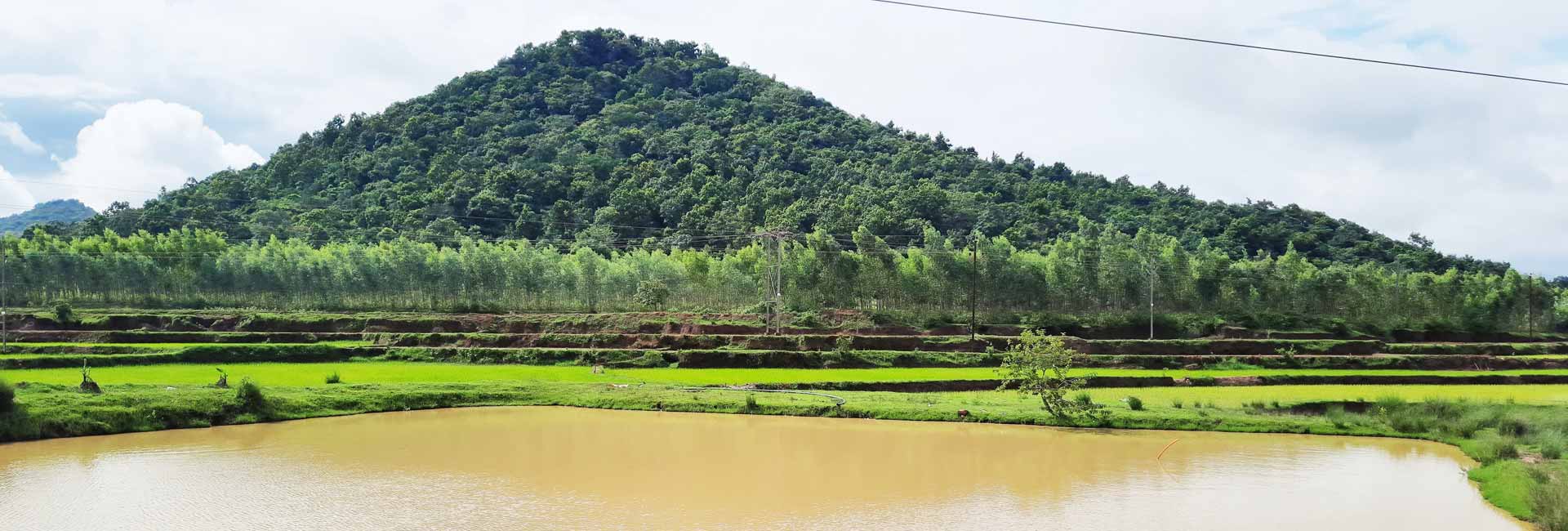
The primary objective of REWARD is to enhance agricultural productivity and
climate resilience through integrated watershed development. The program adopts
a saturation-mode approach for the treatment of selected micro-watersheds using
scientific and participatory planning.
It focuses on sustainable Natural Resource Management (NRM) at both farm and
landscape levels.
- The program focuses on saturation-mode treatment of
selected micro-watersheds using scientific planning.
- It emphasizes sustainable Natural Resource Management
(NRM) at the farm and landscape level.
- Use of geospatial technologies, cadastral-level data, and
digital monitoring is a core component.
- Community participation and capacity building of local
institutions are integral to implementation.
Key Project Indicators:
- KPI 1: Number of micro-watersheds treated and area
covered (in hectares).
- KPI 2: Increase in groundwater levels and soil
moisture retention.
- KPI 3: Improvement in crop yield and cropping
intensity in project areas.
- KPI 4: Timely completion of physical and financial
targets with geo-tagged evidence.
- KPI 5: Adoption of sustainable agricultural and
water-conservation practices by beneficiaries.
How LRI is done?
Land Resource Inventory (LRI) under the REWARD programme is carried out using a scientific and systematic approach integrating high-resolution satellite imagery, cadastral maps, GIS analysis, and detailed field surveys. Plot-level land parcels are digitized and geo-referenced to ensure spatial accuracy. Comprehensive information on soil type, soil depth, texture, slope, drainage, land use, land capability, and cropping pattern is collected. Ground truthing is conducted through field visits involving trained survey teams. Soil samples are analyzed to generate fertility and suitability indicators. All spatial and non-spatial data layers are integrated into a centralized GIS database. Quality control and validation checks are applied at multiple levels. The final LRI outputs support micro-watershed planning, crop suitability assessment, and location-specific interventions. The inventory enables data-driven decision-making for sustainable land and water management. LRI outputs are made accessible through the REWARD digital platform for planning and monitoring.
Project Partners
The LRI component of the REWARD programme is implemented through collaboration between Government of Odisha departments, technical agencies, and implementation partners. Nodal state departments provide overall guidance, policy direction, and coordination. Specialized technical institutions contribute expertise in remote sensing, GIS, soil science, and land evaluation. Implementation partners manage field surveys, data collection, and ground validation activities. District and block-level teams facilitate local coordination and supervision. Community institutions support land parcel identification and ground verification. Technology partners assist in database development and platform integration. Continuous coordination among partners ensures data accuracy and consistency. Regular reviews and knowledge sharing strengthen implementation efficiency. This partnership approach ensures institutional ownership, technical robustness, and sustainability of LRI outcomes.
LRI Status
LRI activities under the REWARD programme are being executed in a phased and planned manner across selected districts and micro-watersheds of Odisha. Field surveys and data capture are undertaken as per approved work plans. Spatial and attribute data undergo systematic processing and validation. Progress is monitored at district, block, and watershed levels. Completed LRI outputs are reviewed and approved through defined quality assurance mechanisms. Validated datasets are integrated into the REWARD GIS and MIS platforms. The status module provides real-time visibility of completed, ongoing, and pending activities. This ensures transparency for stakeholders and implementing agencies. LRI status information supports planning of watershed interventions and convergence activities. Regular updates help align field implementation with programme objectives.
Cereals
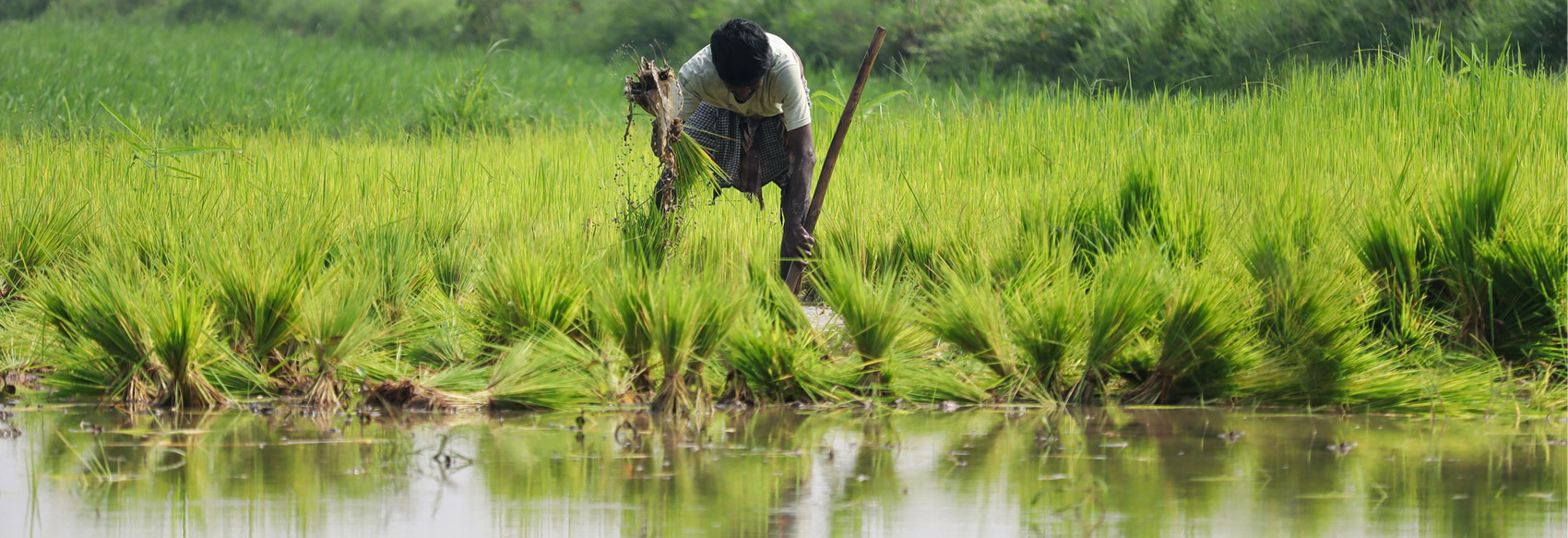
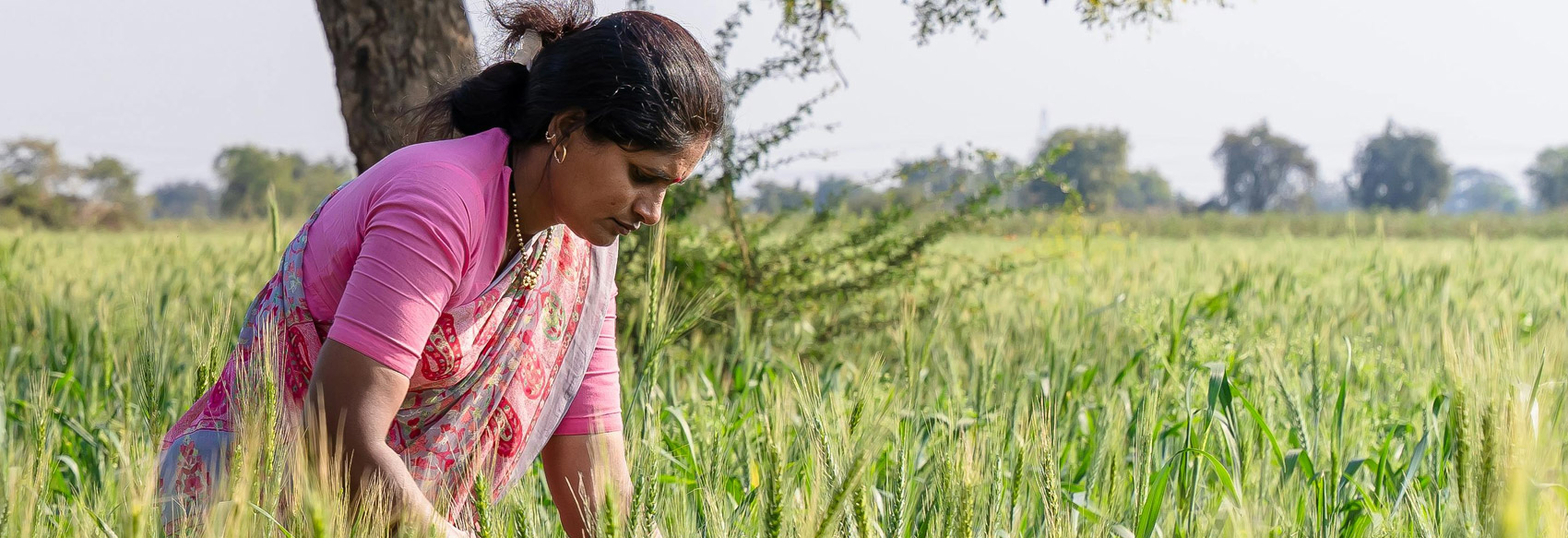
Cereals form the backbone of Odisha’s agriculture. Rice is the principal crop, grown extensively under rainfed and irrigated conditions, especially in coastal and delta regions. Maize and millets are also cultivated in western and tribal districts, contributing to food security and nutrition.
Pulses
Pulses such as green gram, black gram, arhar, and horse gram are widely grown during Kharif and Rabi seasons. They improve soil fertility through nitrogen fixation and provide an important source of protein, particularly in rainfed and tribal areas.
Oilseeds
Oilseeds like groundnut, mustard, sesame, and sunflower are important for edible oil production and farmers’ income. These crops are mainly cultivated in upland and medium land areas and are suitable for Odisha’s agro-climatic conditions.
Commercial Crops
Commercial crops such as cotton, sugarcane, jute, and tobacco contribute significantly to the rural economy. These crops support agro-based industries and provide employment opportunities, especially in selected pockets of the state.
Plantation Crops
Odisha supports plantation crops like coconut, cashew, rubber, and coffee. Cashew is particularly prominent in coastal and hilly regions, while coffee is emerging in tribal districts, promoting livelihood diversification..
Fruit Crops
Fruit cultivation includes mango, banana, citrus, pineapple, papaya, and guava. Odisha has favorable climatic conditions for horticulture, and fruit crops play a key role in nutrition security and income generation.
Vegetable Crops
Vegetables such as brinjal, tomato, cabbage, cauliflower, okra, and onion are grown throughout the year. Vegetable farming supports small and marginal farmers and meets both local consumption and market demand.
Leafy Vegetables
Leafy vegetables like spinach, amaranthus, fenugreek, coriander, and local greens (saag) are widely cultivated. They are rich in micronutrients, require short growing periods, and are well suited to small-scale and kitchen gardening.
Seeds
Seeds are the foundation of agricultural productivity and food security.
Under REWARD ODISHA, this section provides comprehensive information on the availability, distribution, quality control, and promotion of certified seeds to farmers across the state.
The initiative focuses on:
- Ensuring timely access to quality seeds
- Promoting high-yielding and climate-resilient varieties
- Supporting sustainable and profitable agriculture
- Strengthening the seed supply chain in Odisha
Farmers, seed producers, and stakeholders can find guidance, schemes, and updates related to seed development and usage.
Seeds Village Programs
The Seeds Village Program aims to enhance local seed production and self-reliance among farmers by encouraging community-based seed development.
Key objectives of the program include:
- Production of quality seeds at the village level
- Reducing dependency on external seed sources
- Enhancing farmers’ income through seed production
- Promoting adoption of improved crop varieties
Under this program, selected villages are supported with technical guidance, training, and inputs to produce certified or quality seeds for local distribution.
Seed Certification Applications
The Seed Certification Application section enables seed producers to apply for certification to ensure seed quality and genetic purity as per prescribed standards.
This service facilitates:
- Online submission of seed certification applications
- Transparent and time-bound certification process
- Compliance with seed quality regulations
- Quality assurance for farmers and buyers
Seed producers can apply, track application status, and access certification guidelines through this portal to ensure their seeds meet approved standards.
Inorganic Fertilizer
Inorganic fertilizers are chemically manufactured fertilizers that supply essential nutrients such as Nitrogen, Phosphorus, and Potassium (NPK) to crops in readily available forms.
This section focuses on:
- Recommended inorganic fertilizers for different crops
- Proper dosage and timing of application
- Benefits of balanced nutrient application
- Preventing overuse and soil degradation
Farmers are advised to follow soil test–based recommendations to maximize crop yield while maintaining soil health.
Organic Fertilizer
Organic fertilizers are derived from natural sources such as compost, farmyard manure, green manure, and vermicompost. They improve soil structure and enhance microbial activity.
This section highlights:
- Types of organic fertilizers and their benefits
- Methods of preparation and application
- Role in improving soil fertility and water retention
- Long-term sustainability of agricultural land
The use of organic fertilizers supports eco-friendly farming and reduces dependence on chemical inputs.
Bio Fertilizer
Bio fertilizers consist of beneficial microorganisms that enhance nutrient availability to plants by fixing nitrogen, solubilizing phosphorus, and promoting plant growth.
Key aspects covered include:
- Types of bio fertilizers suitable for different crops
- Application methods and precautions
- Benefits in improving soil biological health
- Reduction in chemical fertilizer usage
Bio fertilizers promote sustainable agriculture while maintaining crop productivity.
Fertilizer Usage Guidelines
Proper use of fertilizers is essential to achieve optimal crop yield while protecting soil and environmental health.
The guidelines emphasize:
- Soil testing before fertilizer application
- Balanced and integrated nutrient management
- Right fertilizer, right dose, right time, and right method
- Safe handling and storage of fertilizers
Farmers are encouraged to adopt recommended practices to ensure efficient fertilizer use, cost effectiveness, and sustainable agricultural development.
About Pesticides
Pesticides are chemical or biological substances used to prevent, destroy, or control harmful pests affecting crops. These include insecticides, fungicides, herbicides, and rodenticides.
This section covers:
- Different categories and types of pesticides
- Purpose and role of pesticides in crop protection
- Importance of approved and quality-certified pesticides
- Risks associated with indiscriminate or excessive use
Farmers are encouraged to use pesticides only when necessary and as part of an Integrated Pest Management (IPM) approach.
Pesticide Usage Guidelines
Proper and safe use of pesticides is essential to protect crops, farmers, consumers, and the environment. REWARD ODISHA emphasizes adherence to recommended practices and regulatory standards.
The usage guidelines include:
- Use only government-approved and recommended pesticides
- Follow label instructions regarding dosage, timing, and method of application
- Apply pesticides based on pest incidence and economic threshold levels
- Wear protective clothing and safety equipment during handling and spraying
- Avoid spraying during windy conditions and near water sources
- Maintain waiting periods before harvesting to ensure food safety
- Store pesticides safely away from children, livestock, and food items
- Dispose of empty containers as per prescribed safety norms
Adoption of these guidelines ensures effective pest control, minimizes health risks, and supports sustainable agriculture.
DSC&WD
(Department of Soil Conservation & Watershed Development) is a key department of the Government of Odisha. The department is responsible for planning, implementing, and monitoring watershed development programs across the state. Its core mandate is to promote sustainable land and water resource management in rainfed and drought-prone areas. DSC&WD plays a critical role in improving agricultural productivity and rural livelihoods. The department focuses on soil conservation, water harvesting, groundwater recharge, and moisture retention activities. It implements flagship programs such as REWARD and other watershed-based initiatives. Scientific planning using GIS, remote sensing, and cadastral-level data is integral to its approach. DSC&WD emphasizes saturation-mode treatment of prioritized micro-watersheds. Community participation through watershed committees and user groups is actively encouraged. Capacity building of field functionaries and local institutions is a continuous focus area.The department ensures convergence with line departments such as agriculture, horticulture, and rural development. Climate resilience and adaptation form an important part of watershed planning and execution. Digital tools and MIS platforms are used for monitoring physical and financial progress. Geo-tagged photographs and spatial dashboards support transparency and accountability. The department aligns its programs with state and national development priorities. Special attention is given to small and marginal farmers in project areas. DSC&WD promotes sustainable agricultural practices and crop diversification. It supports livelihood enhancement through improved water availability and soil health. Timely execution and quality assurance of watershed works are key operational goals. The department coordinates closely with district and block-level administrations. It also works with technical agencies and development partners for innovation and best practices. Monitoring and evaluation are carried out using measurable performance indicators. The department adopts a participatory and outcome-oriented implementation framework. Overall, DSC&WD contributes significantly to sustainable natural resource management in Odisha.
Organic Farming
Organic Farming is an eco-friendly agricultural system that emphasizes the use of natural inputs and biological processes to maintain soil fertility, crop productivity, and environmental balance.
Under REWARD ODISHA, organic farming is promoted to ensure sustainable agriculture, safe food production, and enhanced income for farmers.
This approach focuses on:
- Use of organic manures, bio-fertilizers, and bio-pesticides
- Avoidance of synthetic chemicals and genetically modified inputs
- Improvement of soil health and biodiversity
- Production of safe and nutritious food
The programme encourages farmers to adopt organic practices through training, technical support, and convergence with state and central government schemes.
About DOH
The Directorate of Horticulture (DOH), under the Department of Agriculture & Farmers’ Empowerment, Government of Odisha, is responsible for the development and promotion of horticulture in the state.
The key functions of DOH include:
- Promotion of horticultural crops such as fruits, vegetables, spices, flowers, and plantation crops
- Implementation of state and central horticulture schemes
- Support for organic and sustainable farming practices
- Capacity building, training, and extension services for farmers
- Development of post-harvest management, marketing, and value addition
Through various initiatives, DOH works to enhance productivity, improve farmers’ income, and strengthen the horticulture sector in Odisha.
About Natural Disaster
Natural disasters arise due to natural processes of the earth and atmosphere, often occurring suddenly and with severe consequences. In Odisha, these disasters can adversely affect crops, livestock, water resources, and food security.
This section focuses on:
- Types of natural disasters affecting the state
- Causes and impact on agriculture and rural areas
- Importance of early warning systems
- Role of community awareness and preparedness
Understanding natural disasters helps in reducing risks and improving resilience among farmers and local communities.
Disaster Management
Disaster Management involves organized efforts to prevent, prepare for, respond to, and recover from natural disasters. The Government of Odisha emphasizes a proactive and coordinated disaster management framework.
Key components include:
- Disaster preparedness and mitigation planning
- Early warning dissemination and evacuation measures
- Damage assessment and relief distribution
- Rehabilitation and restoration of livelihoods
- Coordination among government departments and agencies
Effective disaster management ensures timely response, minimizes losses, and supports faster recovery for affected communities.
Emergency Services
Emergency Services play a critical role during and after natural disasters by providing immediate assistance and life-saving support to affected populations.
These services include:
- Search and rescue operations
- Medical and health emergency support
- Relief camps, food, water, and shelter arrangements
- Livestock rescue and veterinary services
- Helpline and emergency communication facilities
Timely access to emergency services helps protect lives, reduce suffering, and restore normalcy during disaster situations.